

The Android vs iPhone debate is older than most TikTok trends — but in 2026 it genuinely matters again. Apple just refreshed its entire lineup: the iPhone 17 finally brings 120Hz to the base model, and the impossibly thin iPhone Air rewrites what an iPhone can look like. Meanwhile Android flagships like the Pixel 10 Pro, Galaxy S26 Ultra and Nothing Phone 3 push cameras, AI and charging speeds to places iPhones still cannot reach. This guide compares the five phones that define the Android vs iPhone choice in October 2026, so you buy the right ecosystem — not just the shiniest slab of glass.
Price note: prices below are approximate US launch prices and change often — especially during 11.11 and Black Friday sales. Use the live price buttons to check today's deals before you buy.
5 Questions to Answer Before You Choose
- Which ecosystem already owns you? Mac, iPad, Apple Watch and AirPods make the iPhone the frictionless choice. Windows PC, Google Workspace and Chromecast tip the scales toward Android.
- Video or stills? iPhones still lead serious video (stabilisation, ProRes-style workflows). Android flagships fight back with zoom — up to 10x optical on some models versus 5x on iPhones.
- How much do you want to tinker? Android lets you sideload apps, theme everything and use any file manager. iPhone keeps things locked down — and gloriously simple.
- Charging patience: Android flagships charge at 45–100W; an iPhone at ~30W feels slow once you have tasted the fast lane.
- Your budget ceiling: great Android phones exist from $200 upward. The cheapest current iPhone starts at $699 (iPhone 17e) — there is no true budget iPhone.
iPhone 17 — The Best iPhone for Most People

Launched September 9, 2026, the iPhone 17 is the first base iPhone that feels truly "Pro": a 6.3-inch OLED with 120Hz ProMotion, the A19 chip, dual 48MP Fusion cameras and 256GB of base storage — double last year's. The new 18MP Center Stage front camera is genuinely useful for video calls. Battery life is the best ever on a standard iPhone, rated up to 30 hours of video playback. If you want an iPhone without paying Pro money, this is the one.
Best for: first-time iPhone buyers, upgraders from iPhone 13 or older, and anyone who wants the core Apple experience at the lowest sensible price.
iPhone Air — The Thinnest iPhone Ever Made
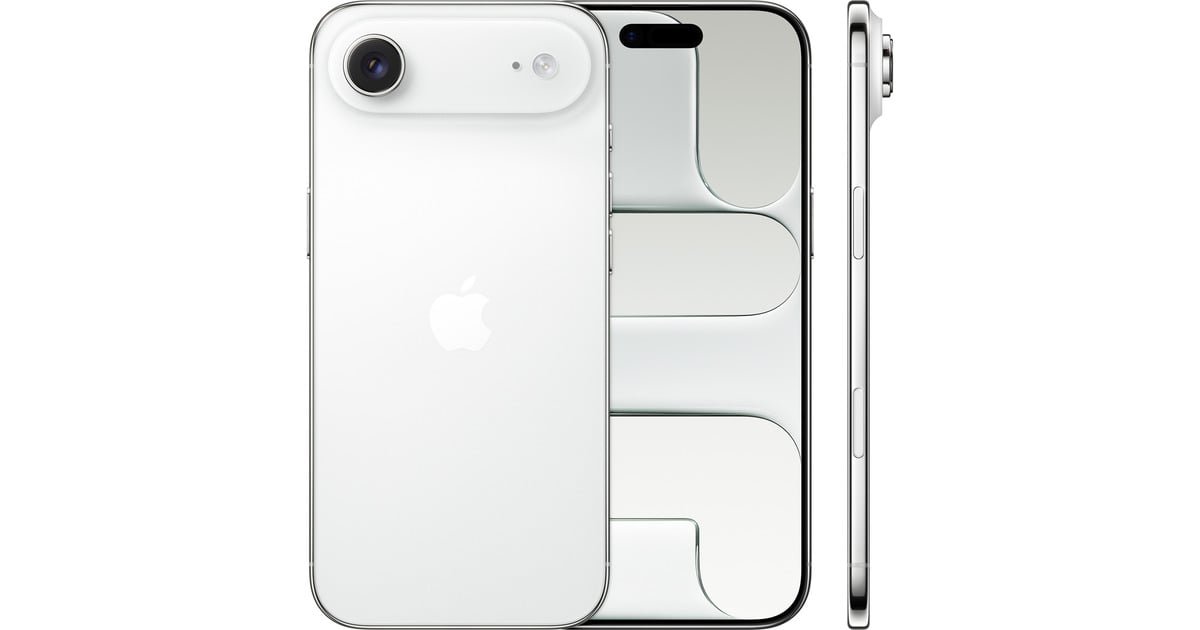
At just 5.6mm thin with a titanium frame, the iPhone Air is Apple's design flex for 2026 — and it still packs the faster A19 Pro chip plus a 6.5-inch 120Hz display. The trade-off for that silhouette is a single rear camera system and battery life that merely lasts "all day" instead of crushing it. This is a statement phone: you buy it because nothing else feels like it in the hand.
Best for: design lovers and minimalists who value thin-and-light above camera versatility.
Google Pixel 10 Pro — The Smartest Camera Phone

The Pixel 10 Pro is the Android phone for people who point, shoot and trust the software. The Tensor G5 chip powers the best AI photography on any phone — Magic Editor-style tools, Best Take and call screening that genuinely saves time. The 50MP main camera with Google's processing remains the stills-photo benchmark, and seven years of updates match Samsung and beat Apple's typical support window in practice. Gemini Live on Android is also ahead of Apple Intelligence in day-to-day usefulness right now.
Best for: photography-first buyers, Google ecosystem users, and anyone who wants the smartest assistant in their pocket.
Samsung Galaxy S26 Ultra — The Do-Everything Flagship

The Galaxy S26 Ultra is the spec-sheet king of 2026: Snapdragon 8 Elite Gen 5, a 200MP main camera with serious zoom reach, a built-in S Pen, Samsung DeX desktop mode and 45W charging. At the same $799 tier where Apple sells 128GB and 60Hz, Samsung ships 256GB and 120Hz — the value math at the top end favours the Ultra. Seven years of updates mean it will stay current until 2033. If you want one phone that does everything, this is Android's no-compromise answer.
Best for: power users, note-takers, mobile photographers who need zoom, and anyone switching from an older Android who wants maximum hardware per dollar.
Nothing Phone 3 — The Flagship That Refuses to Look Boring

Every other phone here is a glass slab; the Nothing Phone 3 is a conversation piece. The transparent back and Glyph Matrix light interface are unlike anything Apple or Samsung sells, and the Snapdragon 8s Gen 4 with four 50MP cameras (main, periscope telephoto, ultrawide and front) is genuinely capable. Nothing OS is one of the cleanest Android skins available, with five years of Android updates promised. After recent price cuts (down to RM2,599 in Malaysia from 25 September 2026), it is the most characterful phone per dollar on this list.
Best for: buyers who are bored of identical slabs and want standout design without paying Ultra money.
Android vs iPhone 2026: Quick Comparison
| Model | Standout Strength | Best For |
|---|---|---|
| iPhone 17 | 120Hz + A19 at $899; best video | Most iPhone buyers |
| iPhone Air | 5.6mm titanium design | Design minimalists |
| Pixel 10 Pro | AI camera + 7 yrs updates | Photo-first users |
| Galaxy S26 Ultra | 200MP zoom, S Pen, DeX | Power users |
| Nothing Phone 3 | Unique design, great value | Standout seekers |
4 Buying Tips Before You Pay
- Buy for your ecosystem, not the spec sheet. A "better" phone that breaks your workflow with your watch, laptop and earbuds is the wrong phone.
- Do not overpay for storage. 256GB is the sweet spot in 2026; cloud photos are cheaper than Apple's and Samsung's storage tiers.
- Time your purchase. Flagship prices dip hard during 11.11 and Black Friday — the Nothing Phone 3's recent RM400–500 cut in Malaysia proves patience pays.
- Protect the investment. A cracked 2026 flagship screen costs hundreds to fix — a device protection plan or sturdy case is the cheapest accessory you will buy.
Android vs iPhone: FAQ
Is Android better than iPhone in 2026?
Neither wins outright. Android leads on hardware variety, charging speed, zoom cameras and AI assistants; iPhone leads on video quality, ecosystem integration, privacy defaults and resale value. The right choice depends on which list matters more to you.
Which has the better camera in 2026 — iPhone 17 or Pixel 10 Pro?
For video, the iPhone 17. For still photos — especially night shots and zoom — the Pixel 10 Pro's computational photography edges ahead. For maximum zoom reach, the Galaxy S26 Ultra beats both.
Should I switch from iPhone to Android (or vice versa) in 2026?
Only if your current ecosystem frustrates you. Switching costs are real: repurchased apps, migrated photos, new accessories. If your current phone still gets updates and the battery holds, the smartest upgrade is often a battery replacement, not a platform switch.
The Bottom Line
In 2026 there is no wrong answer in the Android vs iPhone debate — only a wrong fit. Want seamless simplicity, best-in-class video and strong resale value? Get the iPhone 17 (or the Air, if thin is your thing). Want smarter AI, zoom that reaches the cheap seats and hardware that dares to be different? The Pixel 10 Pro, Galaxy S26 Ultra and Nothing Phone 3 all make the case. Pick the ecosystem that fits your life, check the live prices above — and enjoy the next four to seven years with your choice.
Team Android or Team iPhone — which side are you on, and why? Drop your pick in the comments.
